
Ultimate Selection Of Concrete Leveling Equipment And Supplies
Find the most effective tools and products trusted by experts to restore flatness and stability to uneven concrete slabs.
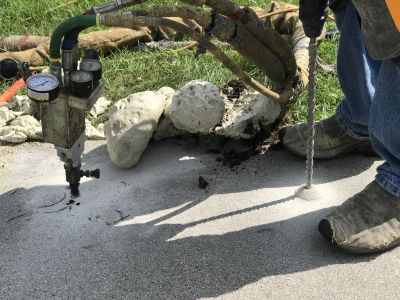 Concrete levelings are essential for maintaining the safety, appearance, and functionality of various surfaces around residential and commercial properties. When concrete slabs become uneven or develop cracks, it can lead to tripping hazards, water drainage issues, and structural concerns. Fortunately, a variety of products are available to address these issues effectively, ranging from simple patching compounds to advanced leveling systems. Selecting the right product depends on the specific condition of the concrete, the size of the area, and the desired longevity of the repair.
Top Overall Option
Polyurethane Foam Leveling System
Polyurethane foam leveling systems are versatile and minimally invasive solutions suitable for raising and leveling sunken or uneven concrete slabs. They are easy to apply, cure quickly, and can be used in various settings, including driveways, sidewalks, and patios. These systems are valued for their ability to lift slabs without extensive demolition, making them a popular choice for property owners seeking efficient repairs.
Types of Products For Concrete Levelings
Polyurethane Foam
Used for lifting and leveling sunken slabs with minimal disruption.
Cement-Based Patches
Ideal for filling cracks and small holes in concrete surfaces.
Self-Leveling Overlays
Provide a smooth, even surface over uneven concrete slabs.
Polymer Modified Mortars
Enhance bonding and durability for patching and leveling applications.
Liquid Resurfacing Compounds
Create a new surface layer to improve appearance and texture.
Fast-Set Repair Mortars
Offer quick curing times for urgent repairs.
Hydraulic Cement Mixes
Suitable for stopping leaks and filling larger voids.
Epoxy Injection Systems
Used for structural repairs and crack stabilization.
Concrete Sealers
Protect repaired surfaces and prevent future damage.
Polyurea Coatings
Provide durable, flexible overlays for concrete surfaces.
Fiber-Reinforced Patches
Increase strength and crack resistance in repairs.
Rapid Cure Resurfacing Products
Allow for quick turnaround in restoration projects.
Flexible Repair Compounds
Accommodate slight movements and prevent cracking.
Waterproofing Sealants
Help protect concrete from water infiltration.
Grouting Materials
Fill gaps and voids beneath slabs for stabilization.
Shotcrete and Gunite Mixes
Used for large-scale repairs and structural reinforcement.
Polymer-Modified Cements
Enhance adhesion and flexibility in patching materials.
Popular Choices
Widely used for raising sunken slabs with minimal disturbance.
Commonly chosen for filling cracks and small holes.
Popular for creating smooth surfaces over uneven concrete.
Preferred for quick repairs in high-traffic areas.
Often used for sealing leaks and filling larger voids.
Chosen for structural crack stabilization.
Commonly applied after repairs for added protection.
Popular for durable overlays and surface protection.
Selected for enhanced crack resistance.
Frequently used to prevent future water damage.
Chosen for large-scale and structural applications.
Used for aesthetic improvements and surface leveling.
Ideal for areas prone to movement or minor shifting.
Popular for filling voids beneath slabs.
Enhances repair durability and flexibility.
Allows quick completion of surface restoration projects.
Used in structural and foundational repairs.
Commonly utilized for crack repair and structural reinforcement.
Many concrete leveling solutions are designed for easy application, allowing homeowners and professionals alike to restore surfaces with minimal disruption. These products often come in different formulations suited for small cracks, large voids, or entire slabs that need to be raised. Proper preparation and application are crucial to achieving durable results, and understanding the different types of products can help ensure a successful project.
In addition to repair compounds, there are self-leveling overlays, polyurethane foam systems, and cement-based patches that cater to various needs. Self-leveling overlays can provide a smooth finish over uneven surfaces, while polyurethane foam systems are popular for raising sunken slabs without extensive demolition. Cement-based patches are suitable for filling cracks and small holes, offering a sturdy and long-lasting repair. When choosing a product, it is important to consider the specific requirements of the project, including load-bearing capacity, curing time, and compatibility with existing concrete.
Proper maintenance and timely repairs can extend the lifespan of concrete surfaces, preventing more costly repairs in the future. By selecting appropriate leveling products and following manufacturer instructions carefully, property owners in Kent, WA, can effectively address uneven concrete surfaces, enhancing safety and aesthetic appeal without the need for complete replacement.
Key Buying Considerations
- Assess the size and extent of the damage to determine suitable product types.
- Consider the load-bearing requirements of the area to select appropriate strength levels.
- Evaluate whether the product provides a quick cure or requires longer curing times.
- Check compatibility with existing concrete surfaces and any previous repairs.
- Determine if the product is suitable for indoor or outdoor use based on environmental exposure.
- Review application methods to ensure they match your skill level or professional requirements.
- Consider the flexibility of the product to accommodate slight movements or shifts.
- Look for products that offer durability and resistance to wear and weathering.
- Assess whether the product includes or requires additional materials like primers or sealers.
- Evaluate the curing process and whether special conditions (temperature, humidity) are needed.
- Consider the potential for future repairs and whether the product facilitates easy maintenance.
- Review safety instructions and ensure proper handling and protective gear are available.
- Check for compatibility with other repair materials or coatings planned for the surface.
- Determine if the product is suitable for the specific type of concrete (e.g., reinforced, stamped).
- Factor in budget constraints while balancing quality and longevity of the repair.